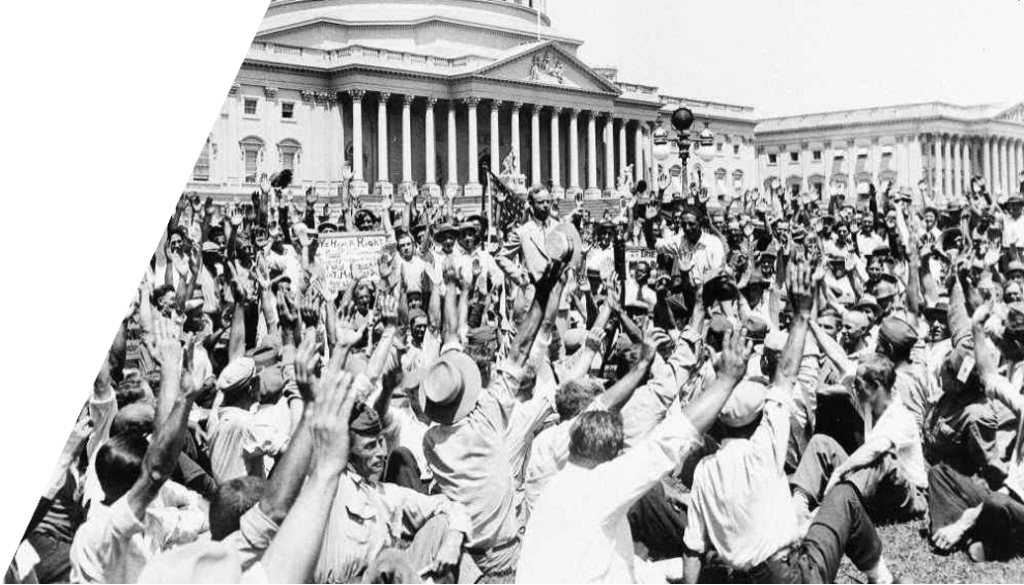
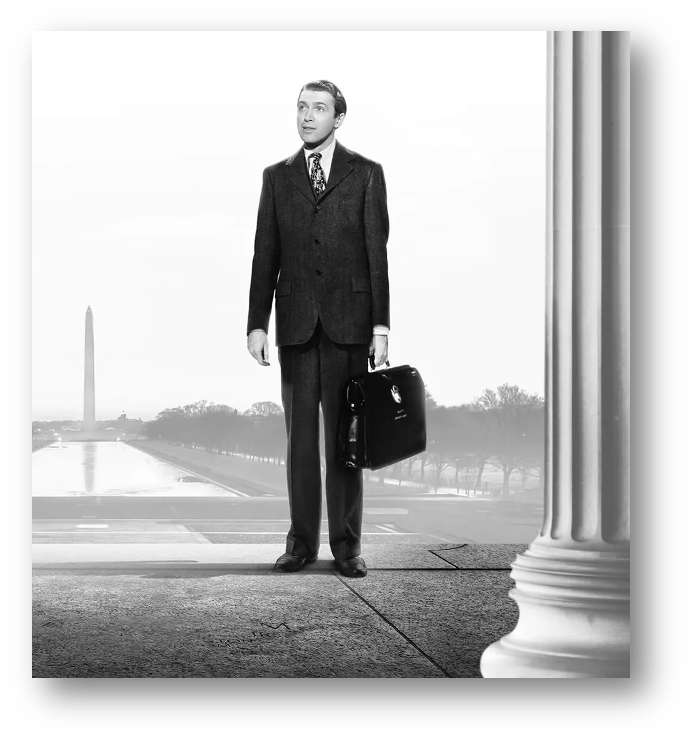
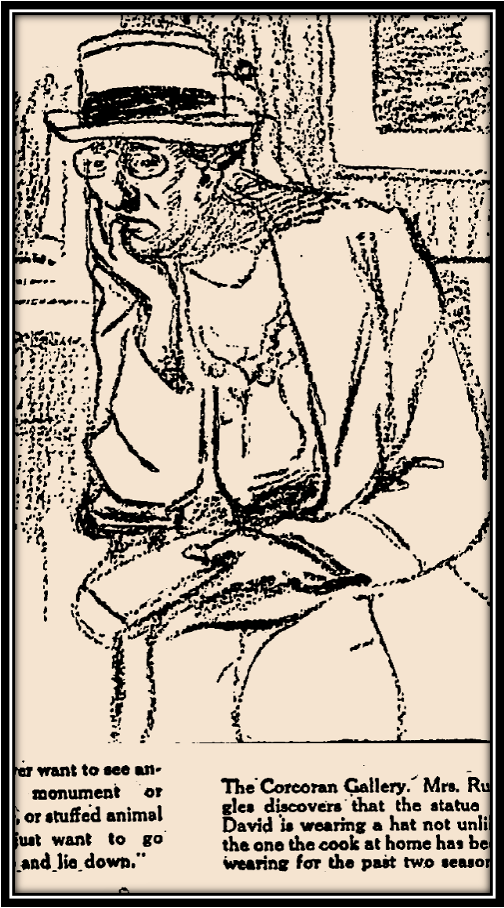
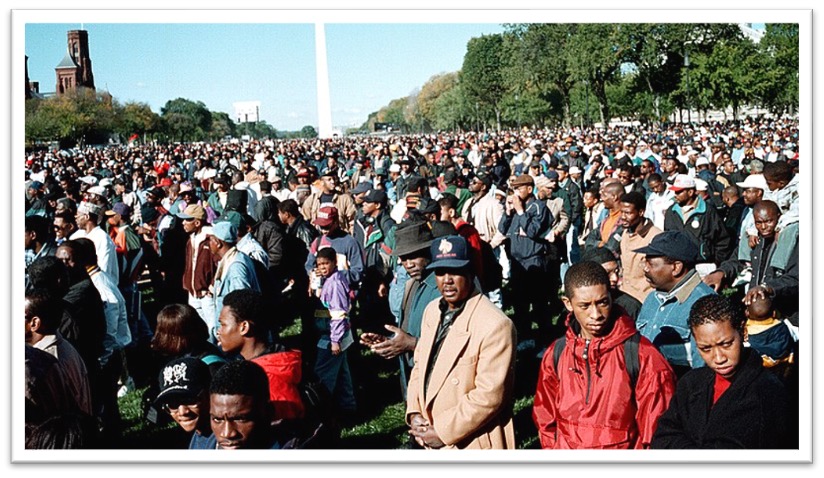
Since our capital’s 1800 founding, Americans have been coming to Washington D.C.: as sightseers learning about the history and governance of the United States, as elected and appointed officeholders joining the political apparatus, as activists and protestors advocating for change, and—more often than we think—as part of military and paramilitary forces protecting—or occupying—the city. When people come to Washington, they do so with a set of expectations that are prescribed through a mix of civic and popular culture—more than any other city, Washington is defined by images and ideas created for and built by its visitors and newcomers. But those images and ideas also have had very real consequences for our not only the city, but our whole democracy—and most often, both.
My book-in-progress, entitled Your Nation’s Capital , is about how that agenda was set, how it has changed over time, and how our ideas of the nation’s capital inform our experiences there. Drawing upon sources that include unpublished letters and journals, popular fiction, memoirs and accounts, film and television, and tourist ephemera, I show how personal experience, popular culture, and politics and policy have both reflected defined the expectations of visitors to Washington, D.C. By tracing the degree to which the symbolic ideal and material reality of Washington, over time, have been connected to an ongoing battle over the form of democratic participation, I show how vitally important is to view the city on its own terms. My ultimate goal is no less than a total transformation of how we understand Washington, its relationship with the rest of the nation, and our assumptions about democratic participation.